
On this page
What you can do with mobile wallet
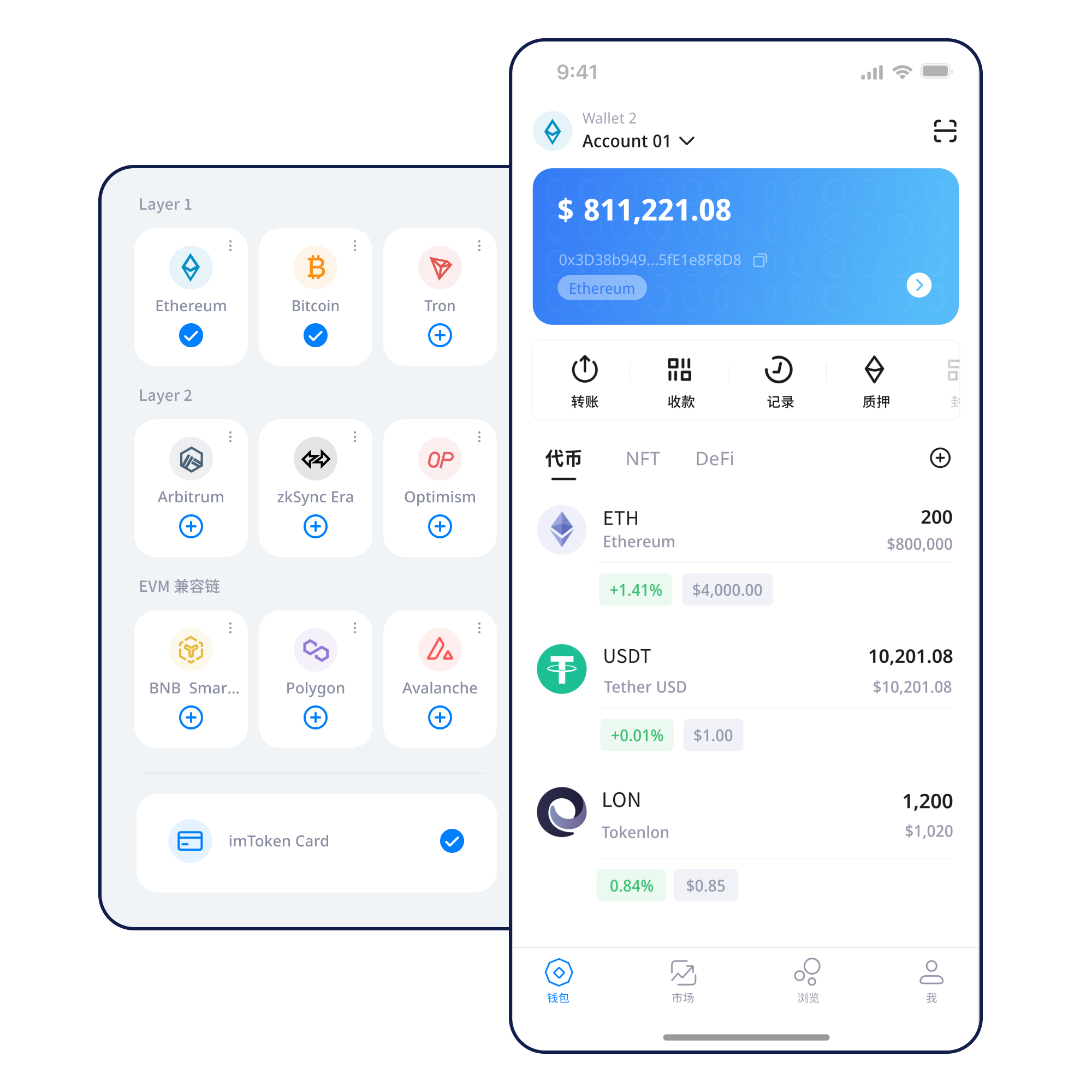
Place imtoken App inside a real wallet workflow and review mobile wallet, network management, and asset viewing independently. mobile wallet describes one important object in this topic, while network management and asset viewing help define the environment and the state you need to observe. Familiar labels are not enough: the same token name, address format, or feature entry can lead to different results across networks and contract contexts.
Keep transaction history, DApp connections, and device permissions in the same context. Start from the task, then separate information that can be public from credentials or permissions that can change on-chain state. This prevents “I can see it” from becoming “I approved it,” and prevents “I submitted it” from being mistaken for “it is confirmed.”
Organize real tasks around network management
When learning imtoken App, begin with network management, then see how asset viewing and transaction history affect the result. A reliable sequence is to verify network management, check asset viewing, and then read the specific fields related to transaction history. When DApp connections is involved, determine whether the action only displays information, creates a connection, requests a signature, or actually submits an on-chain transaction. Those outcomes are not interchangeable.
If the task also involves device permissions or mobile wallet, map the destination address, network, allowance, fee, or contract target to the action before submitting. Afterwards, verify the result through a transaction hash, block explorer, permission record, or wallet history. With imtoken App, being able to explain each step is more reliable than simply seeing a success message.
How to review asset viewing and transaction history
To decide whether imtoken App worked as expected, do not rely on an interface message alone; understand how asset viewing, transaction history, and DApp connections relate. Prefer information that can be independently checked on-chain. asset viewing, transaction history, and DApp connections often describe the object, environment, and state, while device permissions and mobile wallet can explain fees, confirmation progress, or permissions. Interface caches, node delay, and congestion can temporarily make the displayed state differ from the network state.
Do not immediately resend or approve again. Confirm the network first, then check whether a record related to network management already exists. If you have a transaction hash, continue the investigation around that record. Repeating an action can add fees, change nonce ordering, or create extra permissions that make the original issue harder to diagnose.
Permission boundaries around DApp connections
A useful starting point for imtoken App is to ask what transaction history, DApp connections, and device permissions each mean in the workflow. Common mistakes include trusting a name without checking transaction history, trusting an icon without verifying DApp connections, or assuming that seeing device permissions makes later requests acceptable. When mobile wallet and network management appear, distinguish a connection, signature, approval, transfer, and contract call by what each one can actually change.
Third-party DApps, smart contracts, bridges, and service interfaces can introduce technical or operational risk. A normal imtoken workflow does not ask you to enter a seed phrase, private key, recovery phrase, or verification code into a website. For on-chain permissions, verify the spender, scope, and purpose; for transfers, verify the address, network, and amount. If asset viewing does not match what you expected, stop new requests, keep the transaction or permission evidence, and review the network, address, contract, and request source before continuing.
Keep device permissions verifiable
Before using imtoken App, separate the roles of DApp connections, device permissions, and mobile wallet; that is more durable than memorizing interface positions. Turn the workflow into three phases: before submission, verify DApp connections and device permissions; during submission, read mobile wallet and network management; afterwards, confirm the outcome through asset viewing and transaction history. The same routine remains useful when you change devices, networks, or DApps.
For imtoken App, the durable evidence is not where a button appears. It is whether the address is correct, the network matches, the signature can be explained, the spender and allowance make sense, and the transaction has an on-chain record. If one step cannot be explained, stop and re-check the source and purpose.
- Confirm mobile wallet matches the task
- Cross-check network management and asset viewing
- Read fields related to transaction history before submitting
- Verify the outcome through DApp connections or an on-chain record
- Review and maintain device permissions when it is no longer needed
- Never send a seed phrase, private key, or verification code to anyone